


Bad Bunny and Adidas relaunch the Gazelle in gold
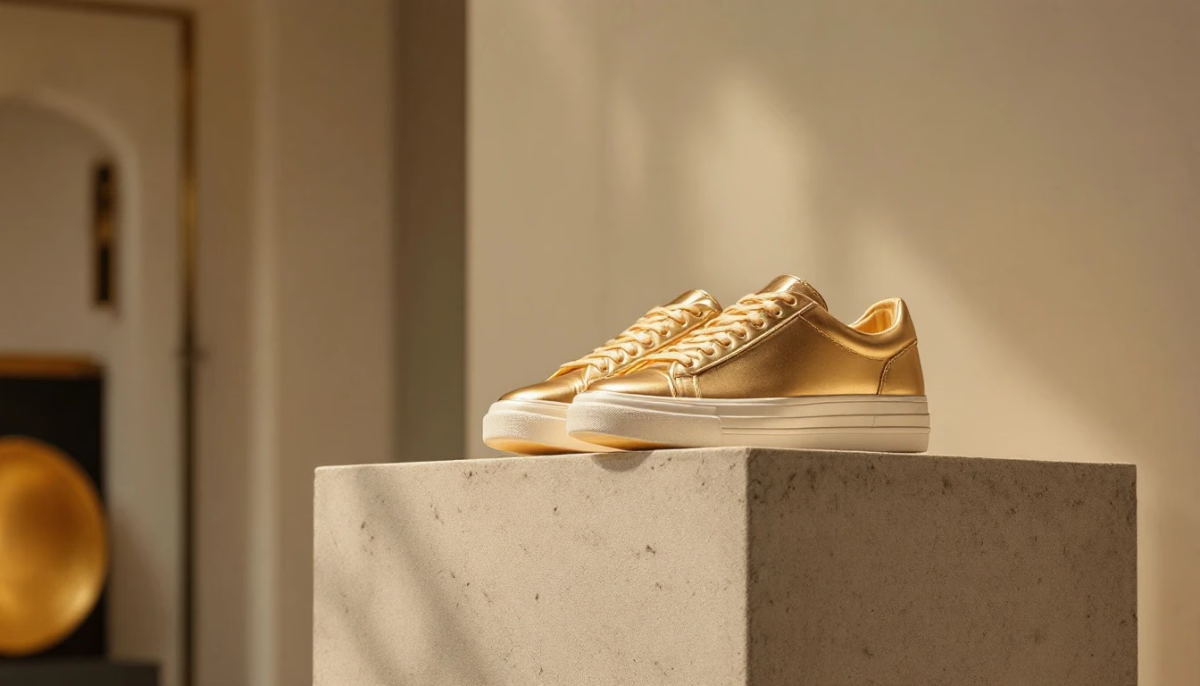
Table of contents
A launch that once again shifts the urban footwear calendar
Adidas is once again leaning on Bad Bunny to revive one of its most recognizable silhouettes. The Gazelle, the retro-inspired model that the Puerto Rican artist already turned into a sales phenomenon in their first collaboration, returns in October with a gold finish that recovers part of the visual language of that initial Ballerina-style launch. The move is not a simple color change: it is a fresh shake-up of the limited-edition sneaker segment, a niche that in recent quarters had lost some of the media buzz that defined it between 2021 and 2023.
The move fits Adidas's strategy of sustaining the pull of its collaborations with cultural figures while streamlining its general catalog. The German company has been slowing the pace of mass launches to concentrate interest on specific drops, with shorter runs and communication heavily tied to the artist's calendar. Bad Bunny, with a fan base that transcends music, works as a loudspeaker reaching a young audience that buys footwear for identity as much as for necessity.
What it means for a footwear store
For retailers, this type of launch has a double reading. On one hand, it generates one-off traffic: on drop day, many physical and online stores record spikes in visits even though the product sells out in minutes. That traffic, handled well, turns into cross-selling of other references in the same family —Gazelle, Samba, Campus— which remain the bread and butter of urban footwear.
On the other, it forces you to manage expectations. If the store doesn't have access to the limited stock, the customer may leave frustrated. The recommendation is clear: use the hype as a hook for window displays and social media, but redirect the conversation toward available models with real turnover. Gold attracts; the silhouette sells.
- It reinforces the retro sneaker category within the urban assortment.
- It triggers impulse purchases among 18 to 30-year-old profiles.
- It requires coordination with the supplier to avoid missing out on the calendar.
A reading for the wholesaler
The footwear wholesaler doesn't compete for the exclusive drop, but does notice its effects. When a collaboration of this kind raises interest in retro silhouettes, the multi-brand channel receives demand for similar models at accessible prices. It's the moment to review the urban sneaker assortment, secure mid sizes and prepare restocks for November, when Christmas consumption starts to heat up.
Collaborations don't just sell what they sign: they pull along the entire category they represent.
In the Spanish market, sports and urban footwear has gained weight in the mix of many multi-brand stores, partially displacing the classic casual shoe. The relaunch of the Gazelle in gold reinforces that trend and reminds retailers that the calendar of others' drops also shapes their own buying plans.
Context of the Spanish market
Spain is experiencing a moment of selective consumption: customers spend on what they perceive as special, and cut back on the generic. Limited editions fit that logic, but leave little room for independent retailers without solid agreements with distributors. That's why the most sensible response for the wholesaler is to offer alternatives with a similar aesthetic, real availability and prices that allow for margin. The gold fever will pass; demand for a well-positioned retro sneaker probably won't.
Looking for a wholesale footwear supplier? Sign up at CalzadosJAM →
Comments
Leave a comment
Calzados JAM · Mayorista
Explora nuestro catálogo de +1000 referencias
Calzado al por mayor para mujer, hombre e infantil. Marcas nacionales e internacionales.
Newsletter
Newsletter
Get the latest news and exclusive offers in your inbox.

Be the first to comment