


Nike LeBron 1: a sneaker that revives the 2004 snub
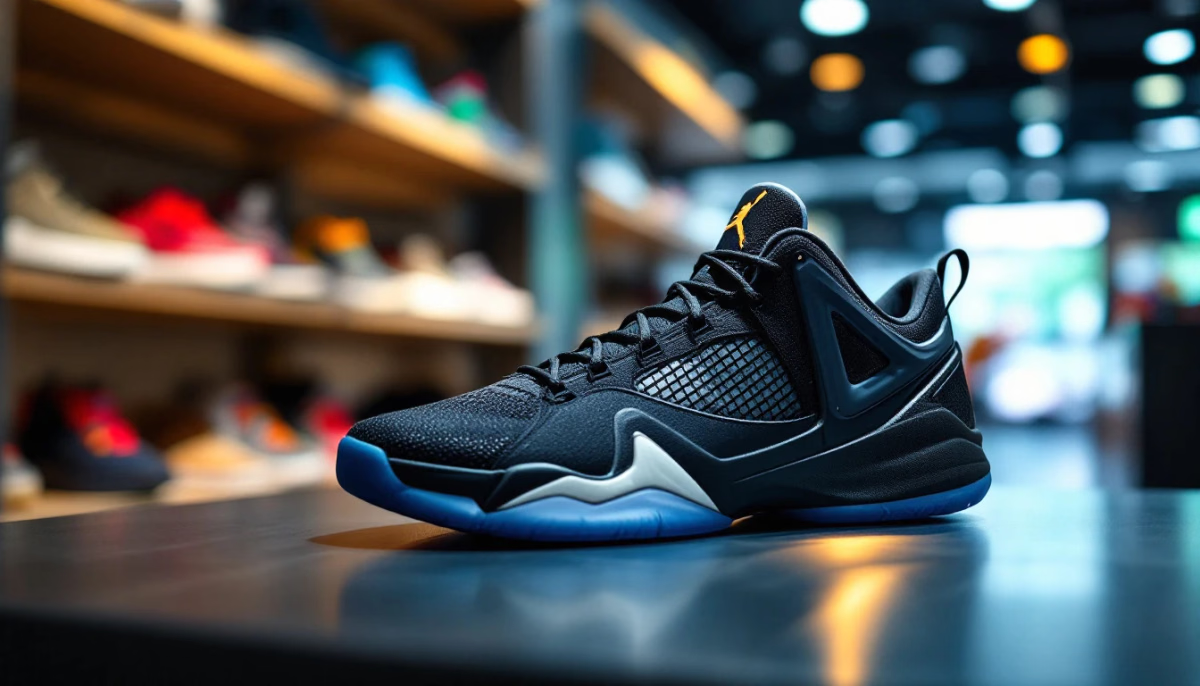
Table of contents
A sneaker with history: Nike's tribute to a snub
Nike has launched a special edition of the LeBron 1, LeBron James's first signature sneaker, inspired by a peculiar moment in his career: the 2004 All-Star Game, to which the rookie was not invited. This version, which revives the colors and details of that era, not only appeals to collectors' nostalgia but also presents a marketing strategy that connects a story of overcoming adversity with a commercial product.
For the footwear sector, this news is not just another sneaker release. It represents how global brands use emotional narratives to generate demand and keep sneaker culture alive. The 2004 LeBron 1 is an icon, and its limited reissue creates a scarcity effect that drives sales in both the direct and secondary channels.
Implications for the wholesale and retail market
For a footwear store, especially those specializing in sneakers or athletic footwear, this news underscores the importance of staying on top of limited edition releases. Although unit volumes are low, these products generate traffic and attention that can translate into cross-sales of other models. A retailer who anticipates this demand can position themselves as a local reference, attracting collectors and consumers seeking exclusivity.
For a wholesaler, the impact is more indirect but relevant. Limited editions from brands like Nike often have a halo effect: they raise general interest in the category and can boost demand for similar products in the mid-market. However, there is also a risk: focusing on high-turnover, low-margin products can divert attention from more stable and profitable lines. The key is balancing stock between niche products and items with constant demand.
Nike's strategy with the 2004 LeBron 1 demonstrates that storytelling is as powerful a sales driver as the product's quality itself.
Context of the Spanish market
In Spain, the athletic footwear market is dominated by large chains, but the independent retail channel still holds significant weight, especially in the sneaker segment. According to industry data, athletic footwear sales grew by 8% in 2024, driven by urban fashion and the running boom. However, competition from online commerce and resale platforms is fierce, forcing retailers to differentiate.
This type of release, even if it doesn't arrive in large quantities in Spanish stores, generates a buzz that retailers can leverage. Organizing launch events, offering pre-sales, or creating social media content around these stories can attract a young, digitalized audience that values authenticity and exclusivity.
For wholesalers, the lesson is clear: supplier diversification and the ability to react quickly to trends are essential. While major brands control the premium market, wholesalers can offer quality alternatives at more accessible prices, but always with an eye on the narratives dominating public conversation.
Conclusion: more than a sneaker, a market lesson
The reissue of the Nike LeBron 1 is not just a tribute to a moment in basketball history; it's a reminder that footwear is an emotional product. Both retailers and wholesalers must understand that the story behind a shoe can be as important as its design or price. Those who can communicate these stories and adapt their offerings to cultural currents will have a competitive advantage in an increasingly saturated market.
At CalzadosJAM, we know that success in the wholesale sector depends not only on having good stock but on understanding what drives the consumer. That's why we invite you to explore our catalog and discover how we can help you grow in a dynamic market.
Looking for a wholesale footwear supplier? Sign up at CalzadosJAM →
Comments
Leave a comment
Calzados JAM · Mayorista
Explora nuestro catálogo de +1000 referencias
Calzado al por mayor para mujer, hombre e infantil. Marcas nacionales e internacionales.
Newsletter
Newsletter
Get the latest news and exclusive offers in your inbox.

Be the first to comment